
Dog Supplies
PawView Medium No Pull Dog Harness with Handle
Control pulls effortlessly with this medium dog harness featuring a rescue handle, poop bag holder, and smart QR tag.
🛒 Buy on AmazonChoosing the right dog leash and harness can transform your daily walks from a struggle into a joy. Whether you need a heavy duty dog leash for a strong puller or a no pull dog harness for better control, understanding the options helps you make a safe, comfortable choice for your pet.
Control pulls effortlessly with this medium dog harness featuring a rescue handle, poop bag holder, and smart QR tag.
🛒 Buy on Amazon
Keep your large dog dry and comfortable on wet walks with this waterproof raincoat featuring a built-in harness.
🛒 Buy on Amazon
Keep your pup warm and dry during chilly walks with this all-in-one waterproof winter jacket featuring a built-in harness.
🛒 Buy on Amazon
Reinforce off-leash obedience up to 3300 feet away with 99 customizable correction levels and dependable IPX8 waterproof protection.
🛒 Buy on Amazon
Keep your dog warm and dry with this waterproof, fleece-lined Dogcheer jacket featuring a leash hole for easy walks.
🛒 Buy on Amazon
Groom and trim nails with less stress using this supportive dog grooming hammock, built for XL large dogs and paired with clippers and trimmers.
🛒 Buy on Amazon
A sturdy 6 ft blue metal chain leash built to resist chewing, with a 3.0mm chain for dependable everyday walks.
🛒 Buy on Amazon
Give your small dog gentle full-body support for easier lifting, stairs, car rides, and vet visits.
🛒 Buy on Amazon
A 6-foot metal chain dog leash with a chew-proof nylon sleeve and padded handle, built to survive aggressive chewers and pullers.
🛒 Buy on Amazon
This shock-absorbing bungee leash features dual padded handles, reflective safety stitching, and a car-ready seatbelt loop for secure, comfortable walks with strong pullers.
🛒 Buy on Amazon
Keep your pup dry and visible with this adjustable, reflective dog raincoat featuring a handy leash hole.
🛒 Buy on Amazon
Keep your chewer close on a sturdy 4-foot metal chain leash with a soft padded handle and tangle-free swivel clip.
🛒 Buy on Amazon
Heavy-duty 4FT chew-proof metal chain leash with padded handle and swivel clasp for medium dogs.
🛒 Buy on Amazon
Heavy-duty chew-proof dog leash with metal chain core, padded handle, and 360° swivel clasp for everyday walks and training.
🛒 Buy on Amazon
Shock-absorbing bungee leash with two padded handles, reflective stitching, and heavy-duty metal carabiner for secure control.
🛒 Buy on Amazon
Add garden charm to your walks with this handmade floral braided dog leash – soft, lightweight, and perfect for small to medium pups.
🛒 Buy on Amazon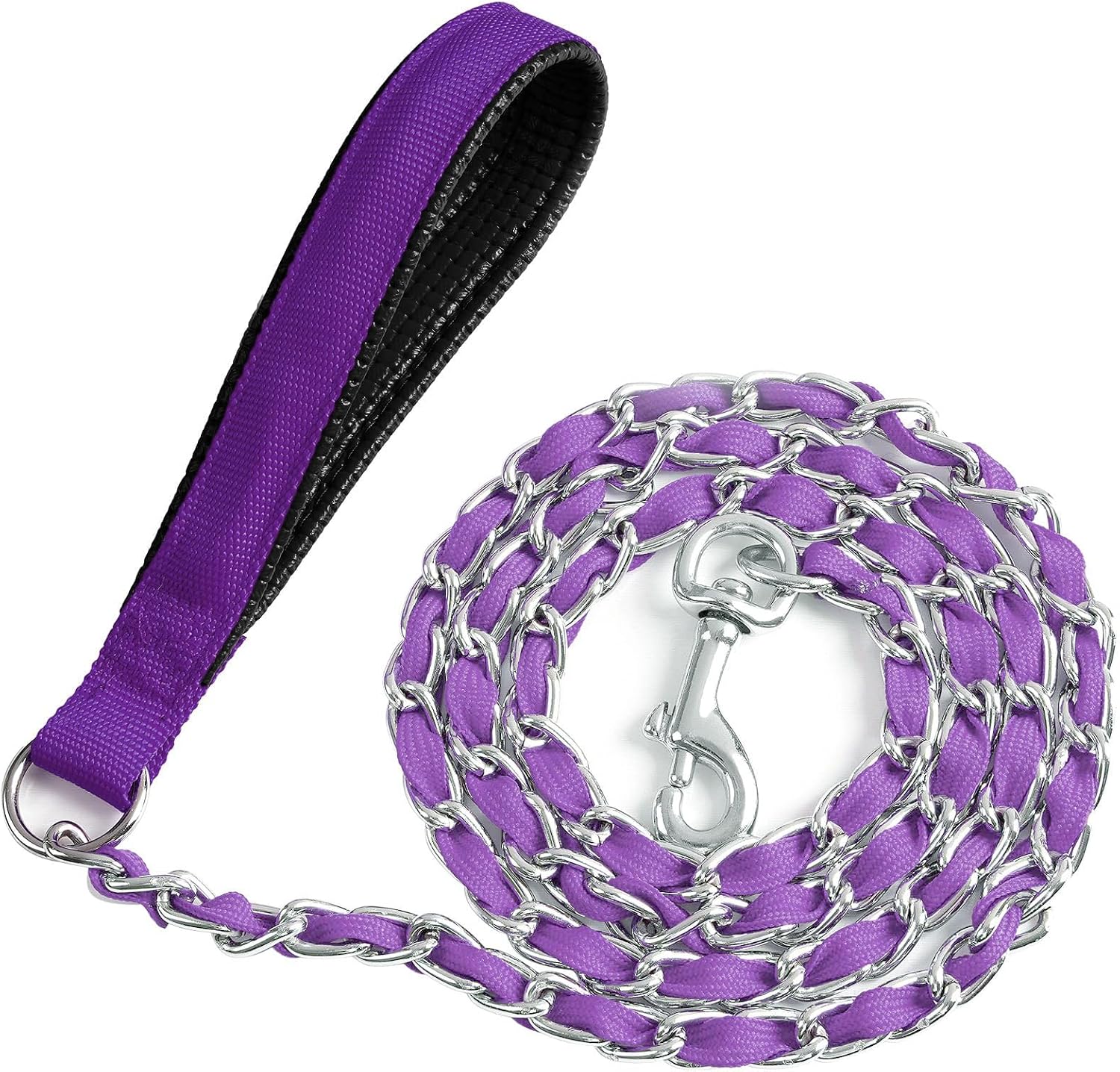
Heavy-duty metal chain leash with chew-proof nylon sleeve and padded handle for secure, close-control walks and training.
🛒 Buy on Amazon
Padded handle, swivel clasp, and chew-proof metal core for safe, controlled walks.
🛒 Buy on Amazon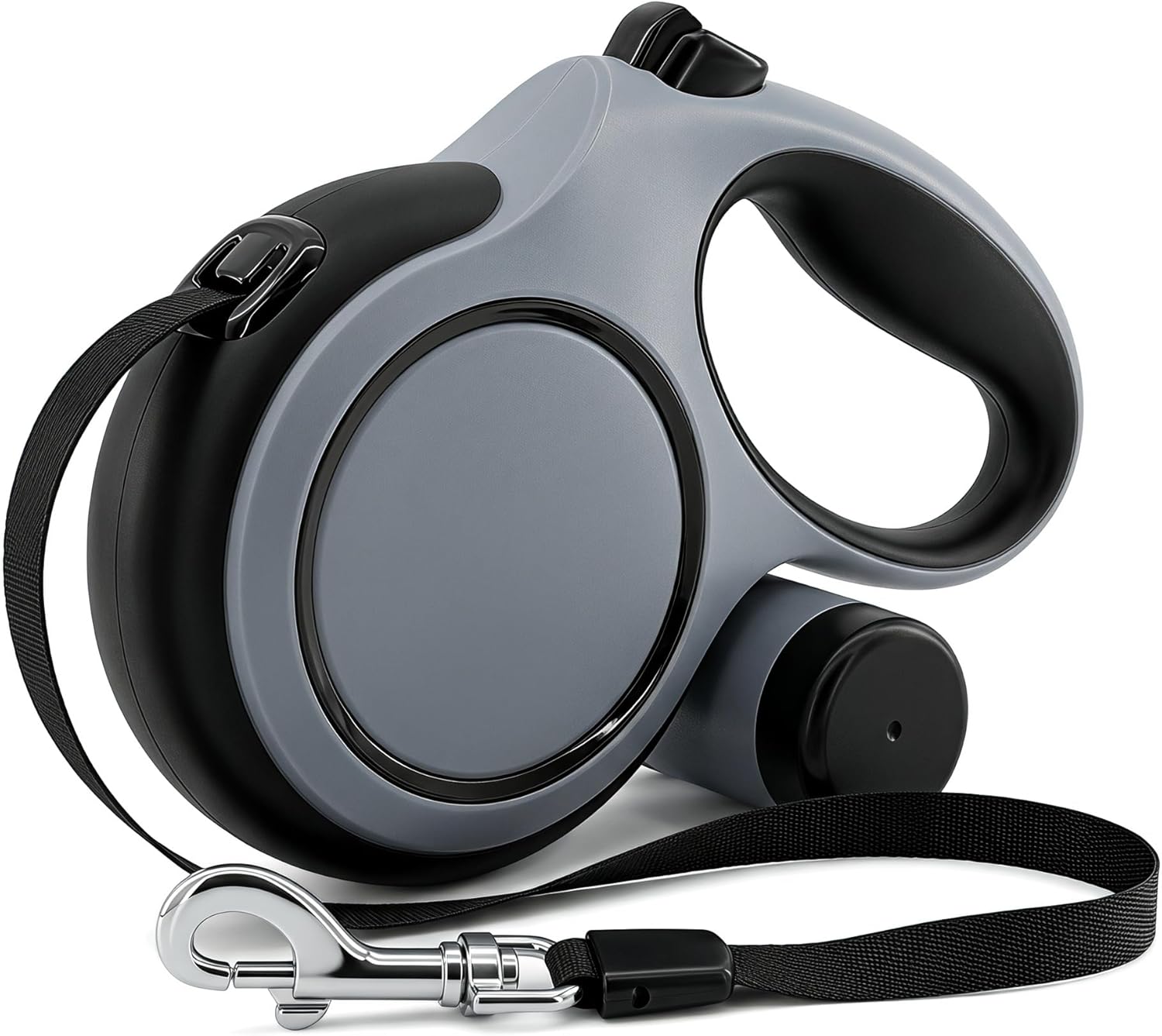
Give your medium-sized dog the freedom to explore with this heavy-duty 16ft retractable leash featuring a built-in waste bag dispenser and one-handed brake for total control.
🛒 Buy on Amazon
Stop leash chewing and pulling with this 4FT metal chain leash featuring a padded handle and tangle-free swivel clasp.
🛒 Buy on AmazonThe decision between a leash alone or a harness depends on your dog’s size, behavior, and training needs. Harnesses are ideal for dogs that pull, as they distribute pressure across the chest and back rather than the neck, reducing the risk of injury. For small breeds or those with respiratory issues, a harness is often safer than a collar. A standard leash works well for calm, well-trained dogs, while a no pull dog harness or a training leash with multiple attachment points gives you more control during walks.
Nylon leashes and harnesses are lightweight, affordable, and available in reflective options for nighttime visibility. For strong chewers or large dogs, a heavy duty dog leash made of climbing-grade rope or thick leather offers superior durability. Bungee dog leashes have a shock-absorbing segment that reduces sudden jerks, making them great for jogging or walks with occasional pullers. Reflective stitching and bright colors improve safety in low light, and rust-resistant hardware (like coated clips) ensures longevity.
A properly fitted harness should be snug but not restrictive. Measure your dog’s chest girth (just behind the front legs) and neck circumference, then compare to the manufacturer’s sizing chart. The harness should not rub or chafe; you should be able to slide two fingers between the straps and your dog’s body. Adjustable dog harnesses with multiple points of adjustment allow a custom fit as your dog grows or changes weight. For no pull designs, ensure the front clip is centered on the chest for effective steering.
Look for leashes with a traffic handle near the clip for quick control in busy areas. Reflective leashes and harnesses enhance visibility during evening walks. To extend life, hand wash nylon leashes and harnesses with mild soap and air dry; leather needs occasional conditioning. Check weekly for frayed stitching, worn clips, or cracks in hardware. A dog training leash with a second handle gives you extra grip for safety in crowded spaces.
A heavy duty dog leash made of thick nylon or leather with a comfortable padded handle is best for strong pullers. Pair it with a no pull dog harness (front clip) to reduce pulling pressure. A bungee dog leash can also help absorb sudden lunges.
The harness should sit snugly without twisting. The chest strap should be about 1–2 inches below the neck, and you should be able to fit two fingers under any strap. The D-ring on the back should rest between the shoulder blades. If it rubs the armpits or restricts movement, it’s too tight.
Yes, bungee leashes are safe for most dogs when used properly. The elastic section reduces impact on both you and your dog, making walks more comfortable. However, they are not recommended for training loose-leash walking because the bounce can reinforce pulling behavior.
A traffic handle is a short, looped handle near the clip that gives you close, immediate control of your dog in high-traffic areas, near other dogs, or during training. It allows you to quickly guide your dog without needing to grab the collar or harness.